Ceramics and Porcelain Collection
The Ceramics and Porcelain Collection was formed during the establishment of the Split City Museum. Its holdings have grown through a combination of purchases and donations, including contributions from the Marton Museum (2005), the Archaeological Museum in Split (2009), Duplančić (2010), as well as bequests from families and individuals such as the Tocigl pharmaceutical family, Kandida Rinčić, Anka Grabovac, the architect Slavko Muljačić, and the Slapničar family. Bequests are especially valuable, offering insights into the lives of the donors while also reflecting the context of their families and the era in which they lived in Split. The most notable and distinguished part of the collection comes from the legacy of Dr. Ivo Tartaglia, mayor of Split in the early 20th century, a distinguished art connoisseur, patron, and collector.
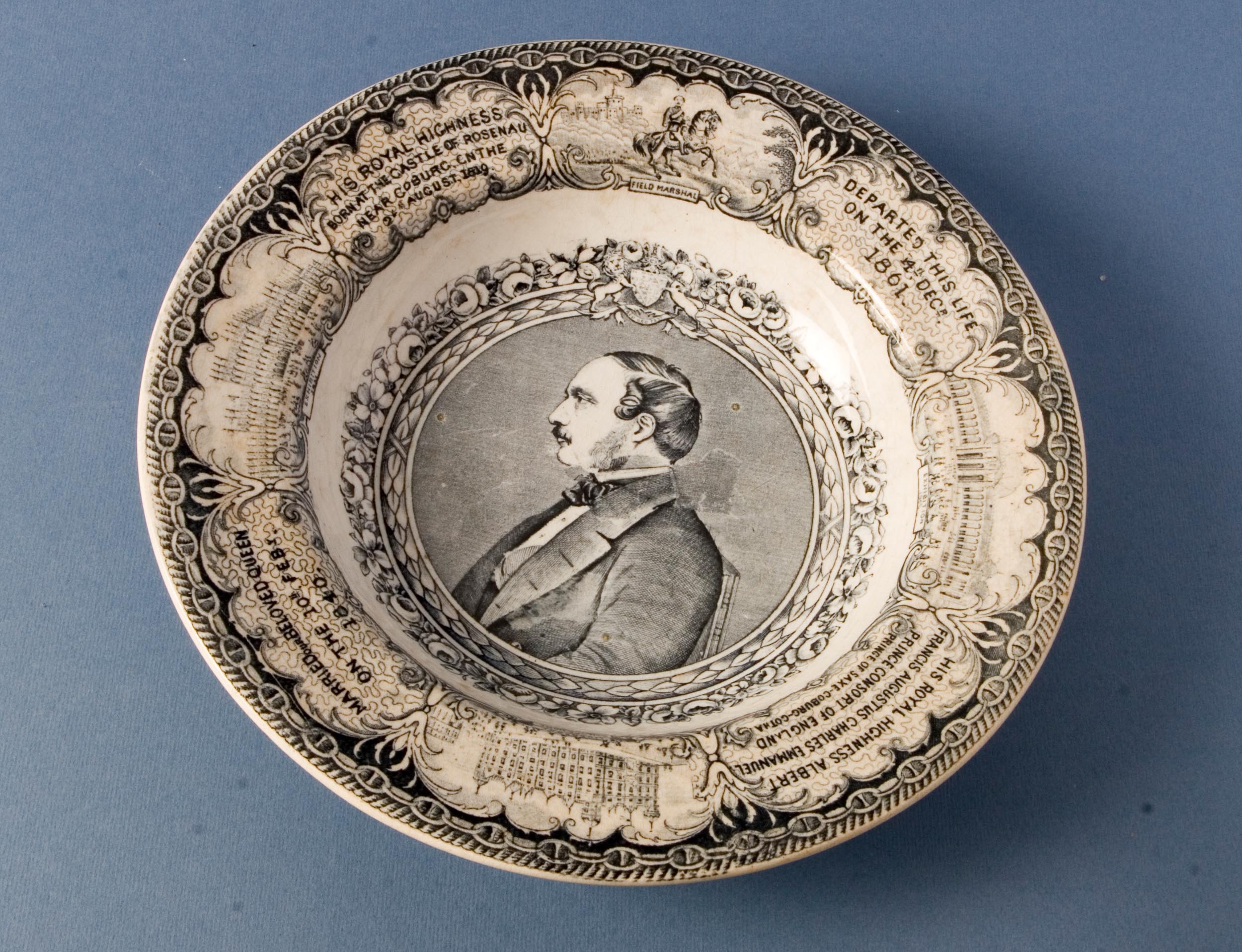
A substantial part of the collection consists of finds from archaeological excavations at Diocletian’s Palace (1968–1974), Papalić Palace (1988), Carrara Field (2005), the Dominican Monastery (2007–2008), and other sites. These are mainly fragments of ceramic vessels. Because of their nature and significance for research, they are not treated as regular museum objects but form the so-called study section of the Collection. Some items from the Ceramics and Porcelain Collection, originating from excavations in the south-eastern substructures of Diocletian’s Palace (classified as substructure finds), date from the 13th to the 18th century.