Collection of Stone Monuments
The Collection of Stone Monuments was established in 1948 to preserve architectural and other monument fragments damaged during World War II. It was later supplemented by donations from the Archaeological Museum in Split, including items that did not originally fall within its historical or thematic scope. The majority of the Collection’s objects come from fieldwork carried out by museums and other institutions within the historic city centre, particularly in and around Diocletian’s Palace, either during the restoration of individual buildings or as part of public works. Continuously enriched by ongoing research in Split, the Collection provides an important inventory and invaluable resource for understanding the city, preserving and illustrating the social and economic aspects of its history.
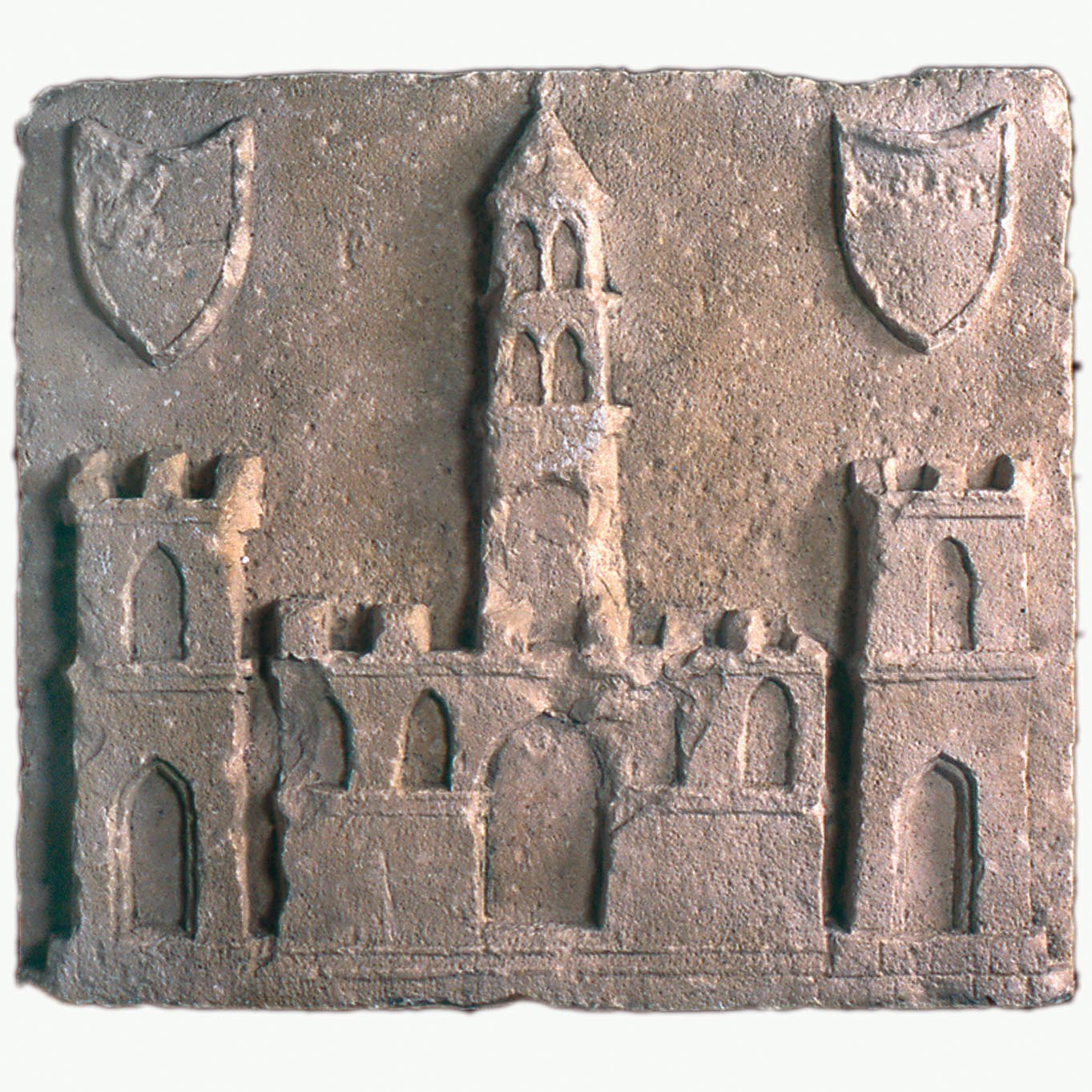
The Collection comprises over five hundred objects from the Split area, dating from the 3rd to the 19th century. It features coats of arms, which represent a particularly valuable group, along with architectural fragments, building materials, church furnishings, tombstones, commemorative plaques, inscriptions, and other stone fragments. A smaller portion of the Collection consists of stone sculptures and reliefs. The objects are made from a range of stones, most commonly limestone and sandstone, as well as various types of marble.