Furniture Collection
The Furniture Collection began to take shape in 1915, when it formed part of the former Municipal Library. Its core comprises furnishings sourced from the homes of Split’s noble and bourgeois families, and other prominent figures. Over time, the Collection has also incorporated a range of additional objects, including clocks, musical instruments, gramophone records, and equipment belonging to local craftsmen. Among the items preserved are original components of Buvina’s cathedral doors and the sedan chair once used by the Trogir-Split Archbishop Ivan Luka Garagnin. The oldest pieces consist of imported chests, commodes, and prayer stools, whereas works by local artisans begin to appear from the 19th century onwards.
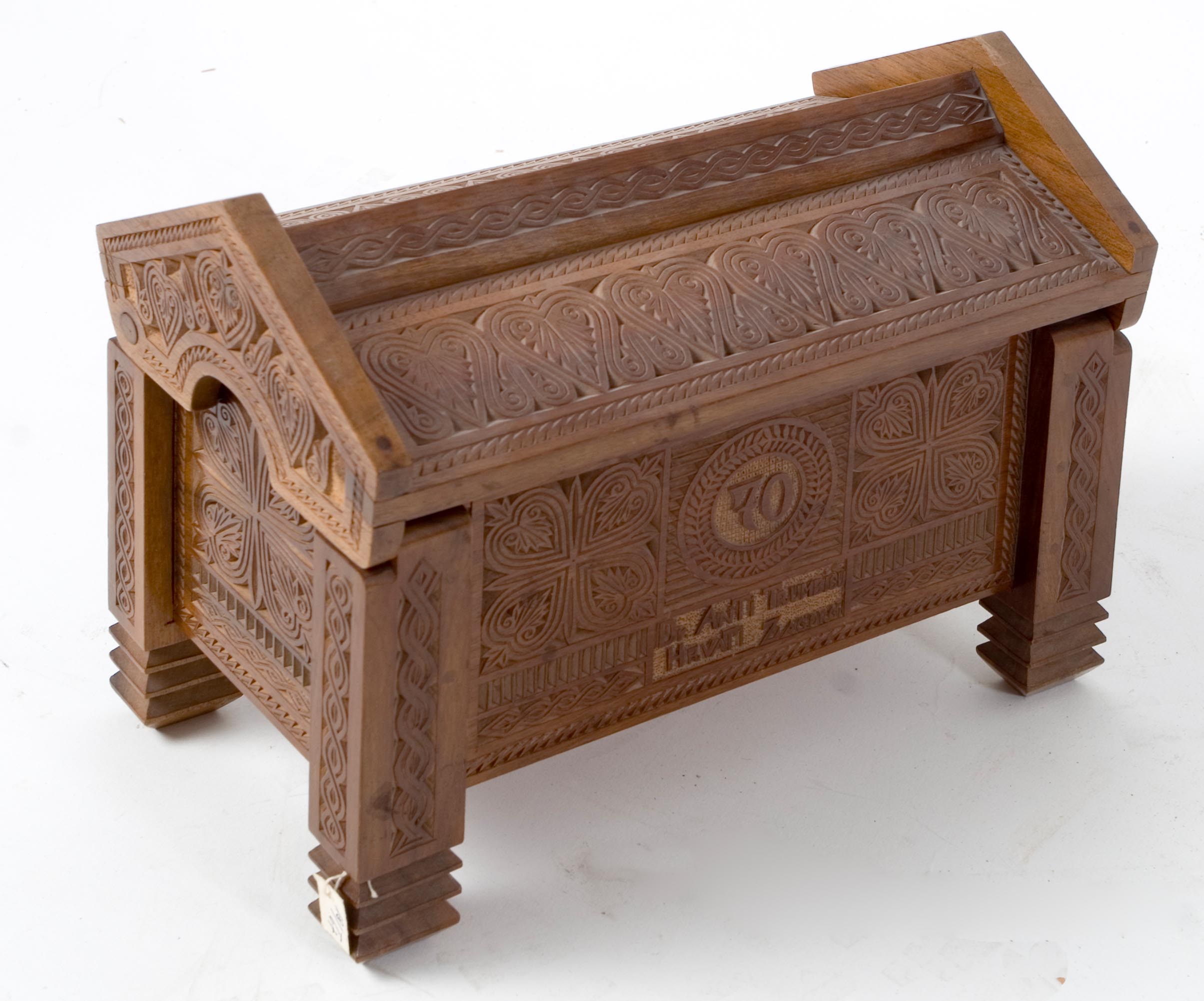
A distinguished position within the Collection is occupied by the living-room suite crafted in 1909 by the woodworking workshop of Mate Senjanović, a piece that earned first prize at the international exhibition in Milan. The Collection also includes works from other important early 20th-century Split workshops, among them those of Josip Paut, Kajo Jelaska and the Piteša brothers. The diverse provenance of the objects in the Furniture Collection, along with the variation in their workmanship and stylistic characteristics, offers insight into the particular historical conditions of Split and the circumstances shaping the lives of its inhabitants. These same factors have significantly influenced the pace and direction of collecting for the holdings of the Split City Museum.